
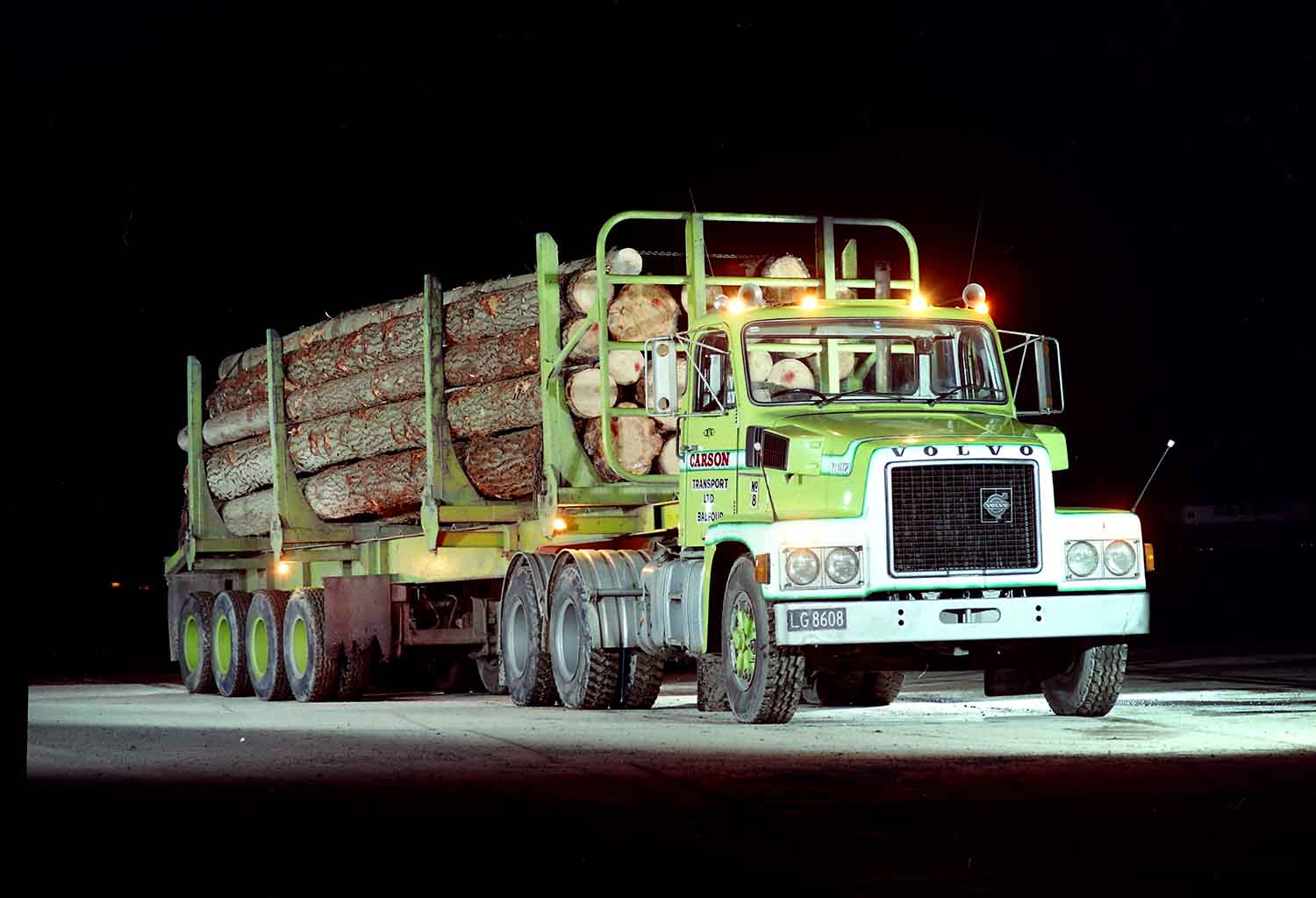
Carson_29Volvo_logger_quad_semi_80s.jpg
Don Carson had quite a diverse fleet at the time this shot was taken in late ’80s.
The NL12 Volvo was working under logs on what was a reasonably comment configuration in the day – a quad-axled semi .
Other brands in the fleet included Mack and ERF which showed that operators usually hedged their bets as the swarm of new and often untested brands were pouring into the country. Mack and Volvo of course have stood the test of time on our shores – ERF, however, fell by the way after a history of 100 and more years of putting trucks and traction-engines to work on our shores.

arson_28R-series_Mack_tipper_super.jpg
Unusual even in its day when this was photographed in the late eighties/early nineties, this R-series Mack was set up as a dedicated lime and superphosphate spreader, and pulled a three-axle dedicated bulk trailer.
Don Carson operated in Balfour which has some of Southland’s finest plains country spreading out from every point of the compass, and this truck and it’s application resonates with the GMC 6×6 ex-military trucks that were put to work in this application for decades after the war.
It might not have been 6×6 but it certainly would have been a lot quieter and more comfortable…
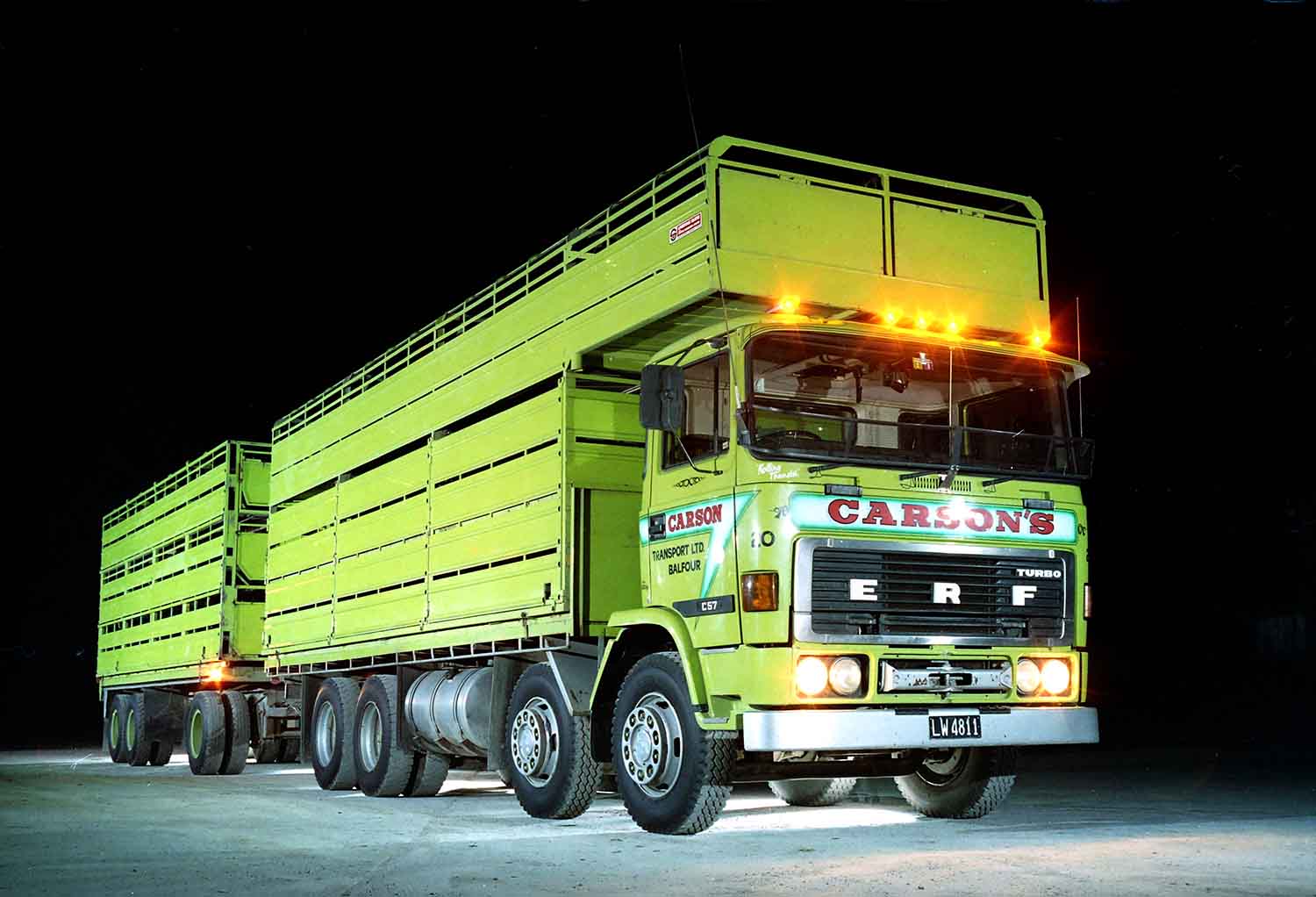
ZC10-ERF-Carson-1-1.jpg
Carson Transport Ltd was based at Balfour in Southland, and was distinctive for its lime-green livery – shown to great effect in this shot.
ERF was one of the brands that helped build New Zealand, but by the eighties it was struggling and eventually the name disappeared as PACCAR took it on itself to rationalise the British truck manufacturing industry.
Carson’s were a great example of rural transport at its best, with the small Balfour community nestled amongst some of the best farming country in New Zealand and well-served by Don Carson, his staff and predecessors, before selling the company and retiring.

Carson-1-Kenworth_livestock_semi.jpg
At the time of shooting the Carson fleet in the ninties, Don Carson had a diverse fleet, with his ‘King Rig’ no doubt being this K100 Kenworth, seen here in livestock mode on the day.

Carson_Isuzu_livestock__1.jpg

Carson_Isuzu_livestock_.jpg

Carson-2-Mitsie_stock_.jpg
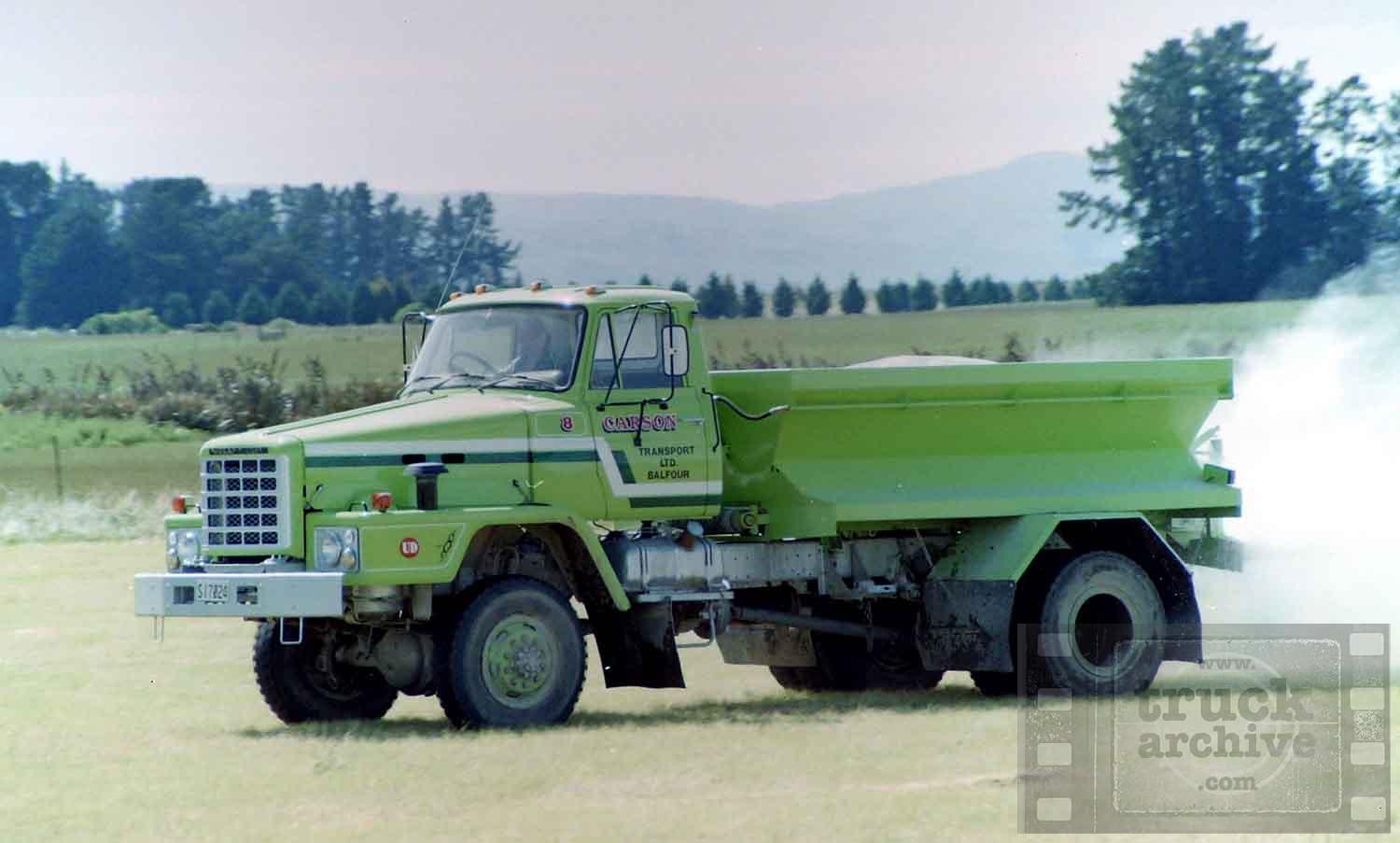
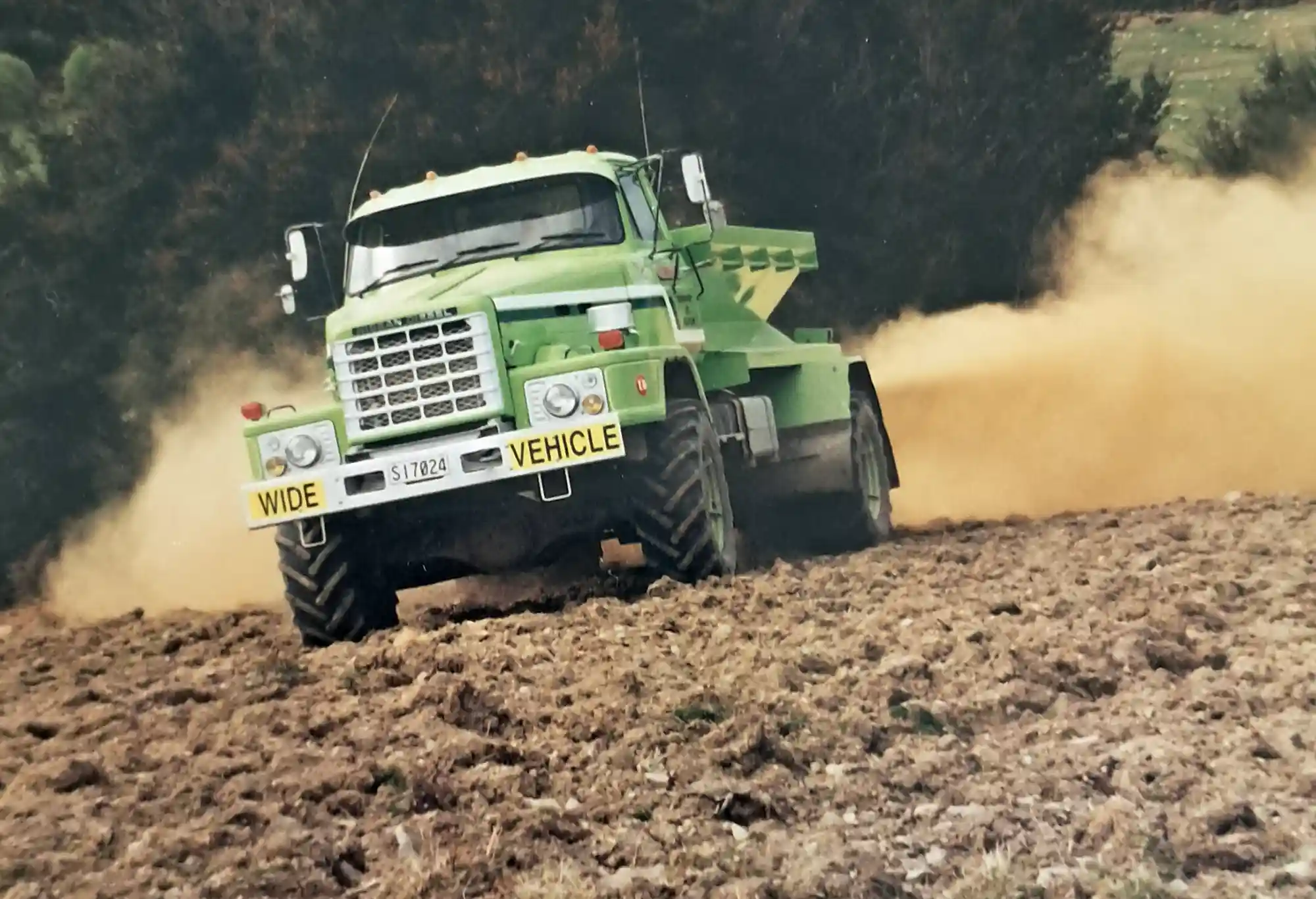
Carson spreading in Southland in the 1980s. These TWA Nissans proved very good in the role.
Don Carson operated a very diverse and classy operation out of Balfour in Southland, and was always up for experimentation when it came to spreading.
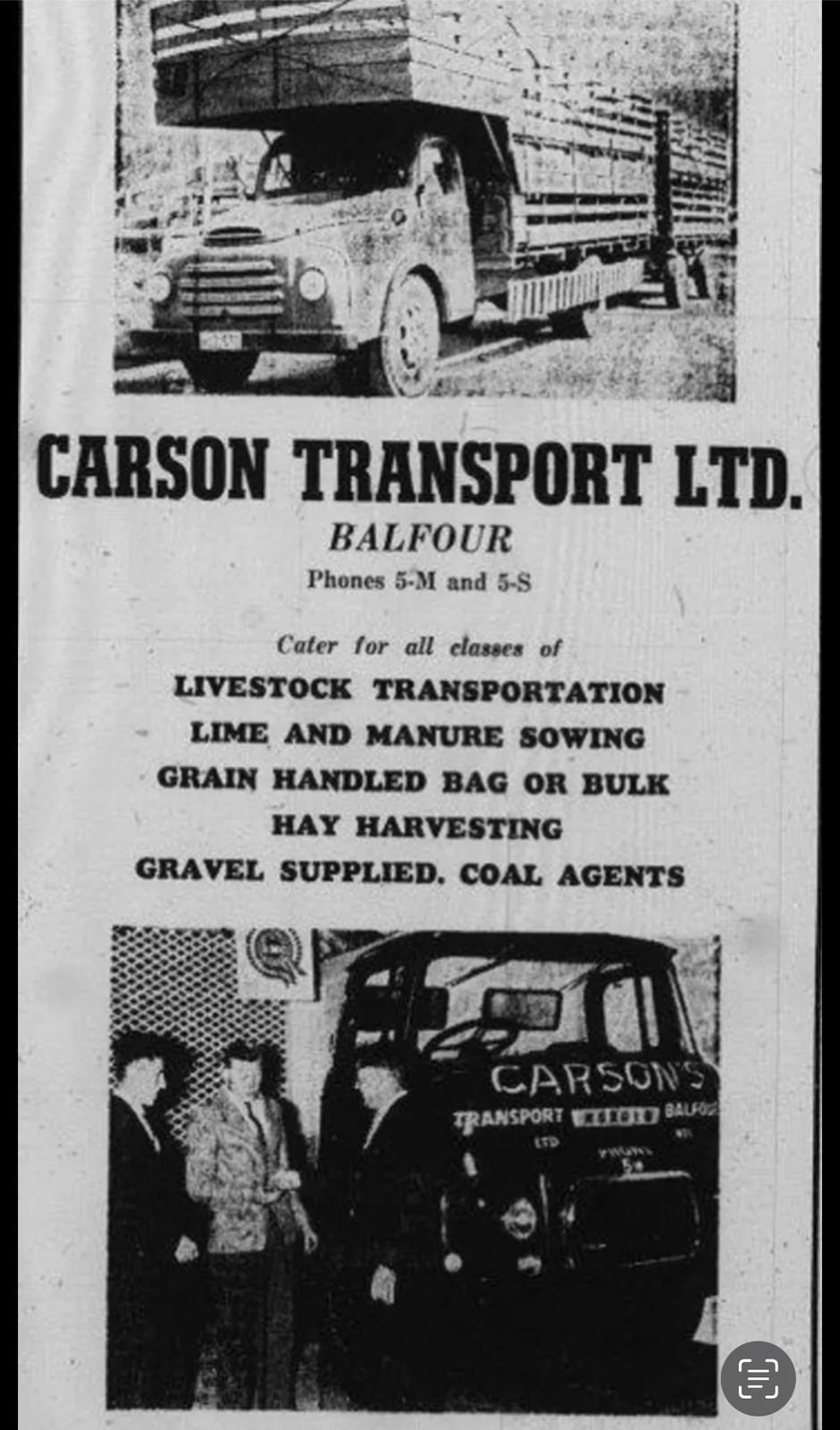
Carson advert
Carson Transport operated out of Balfour in Southland and promoted their services with this advert in the 1960s.
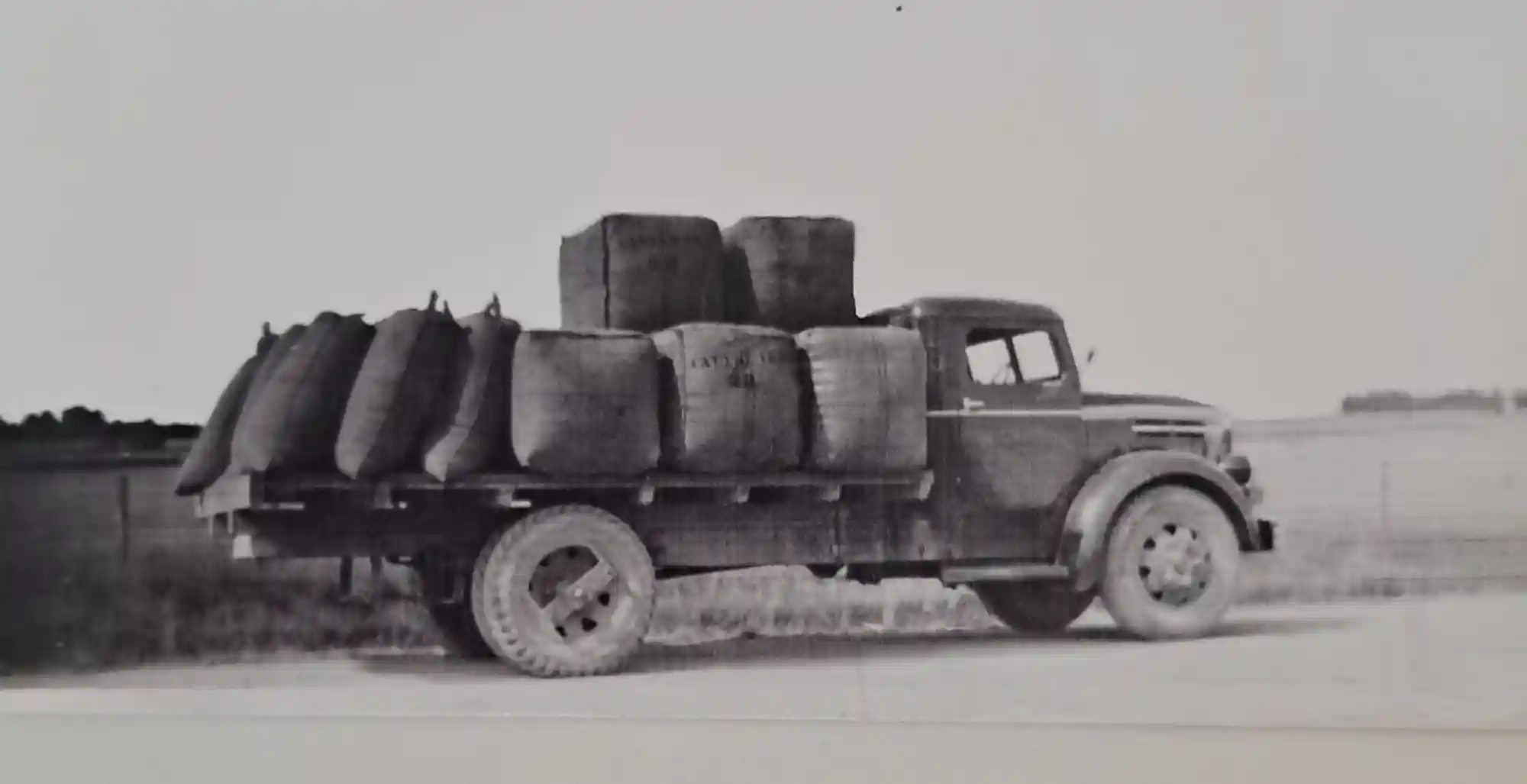
1946 Reo Speedwagon wool Balfour Carson
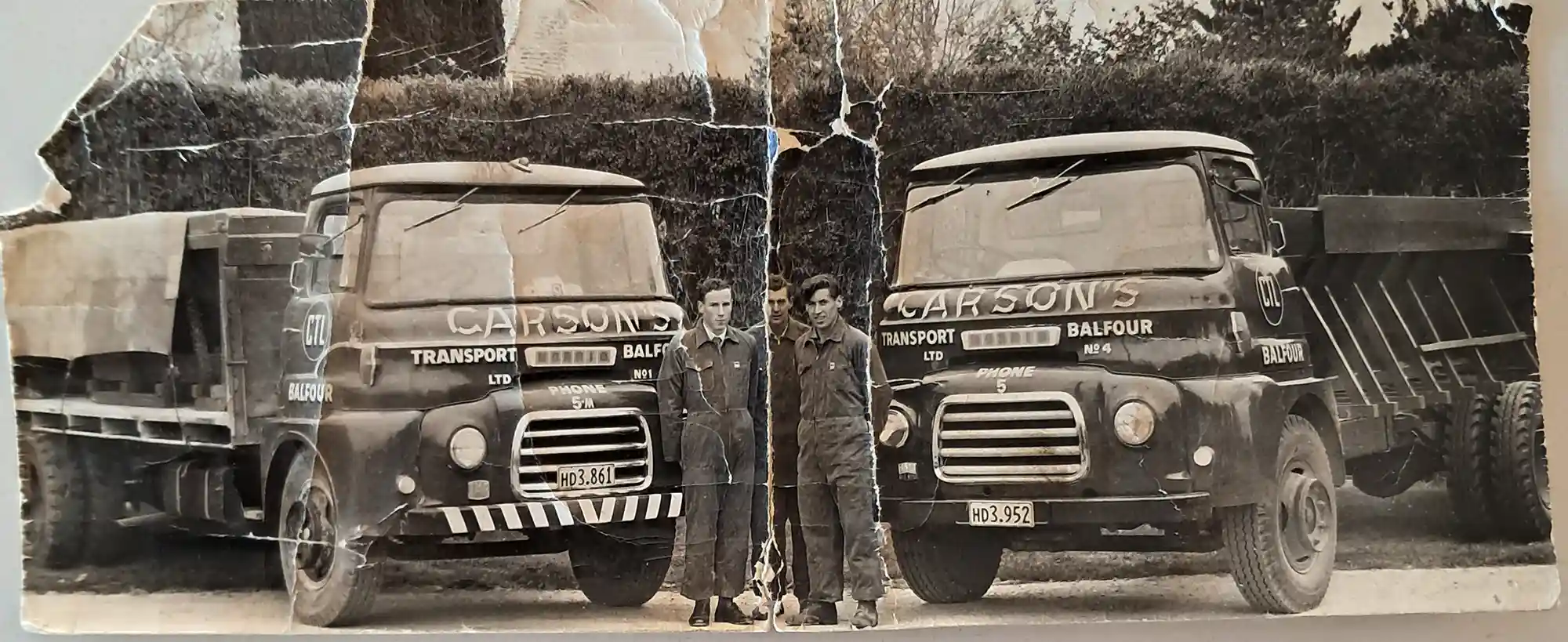
Carson Morris Balfour Southland
A Pair of Morris four-wheelers, one set up as a fert-spreader, working for Carson's Transport of Balfour in the late 1950s. Note the Phone number on the front of the trucks - 5.
Balfour wasn't very big in those days and still isn't.
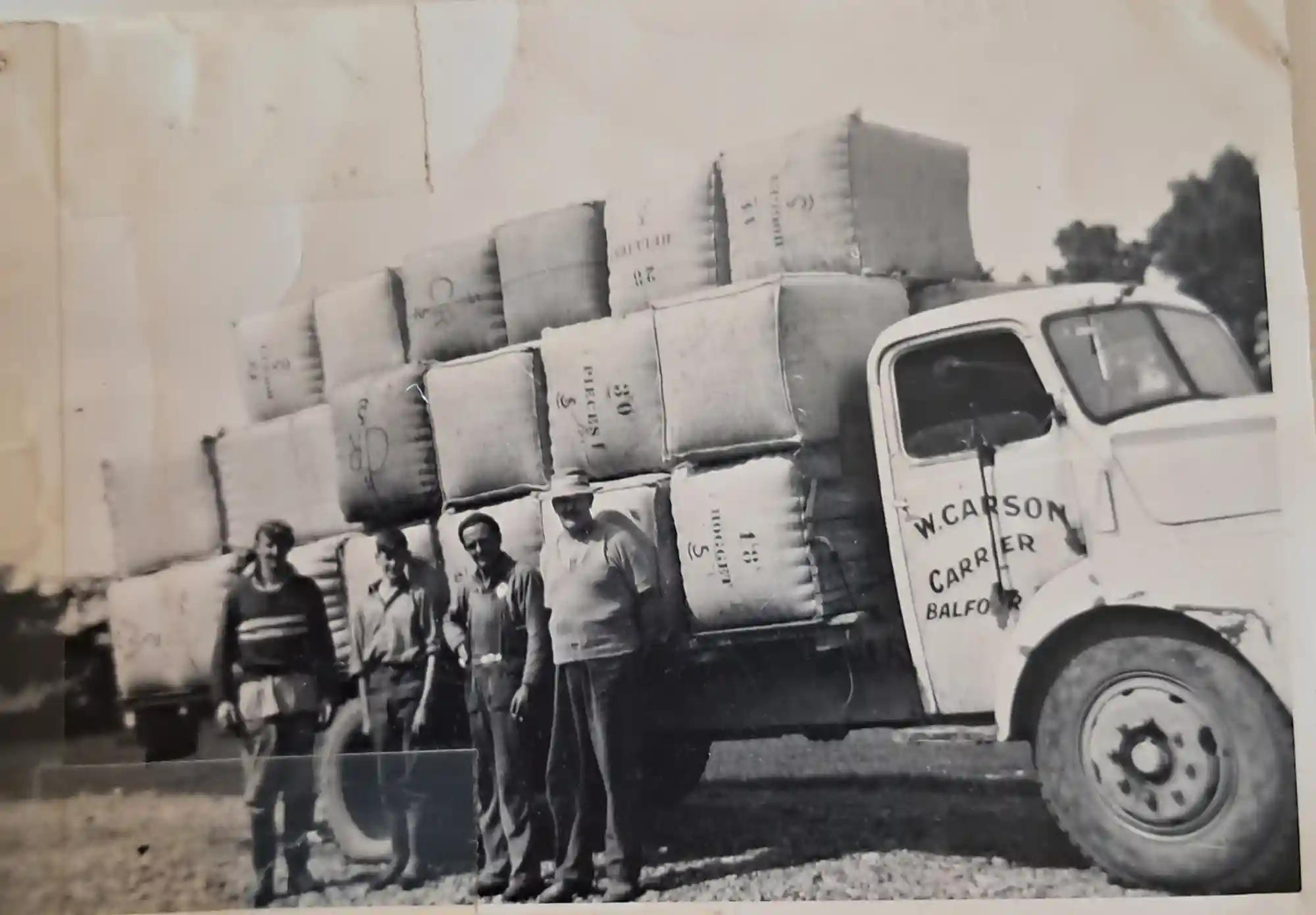
1950 Leyland 75 Carson Balfour Southland
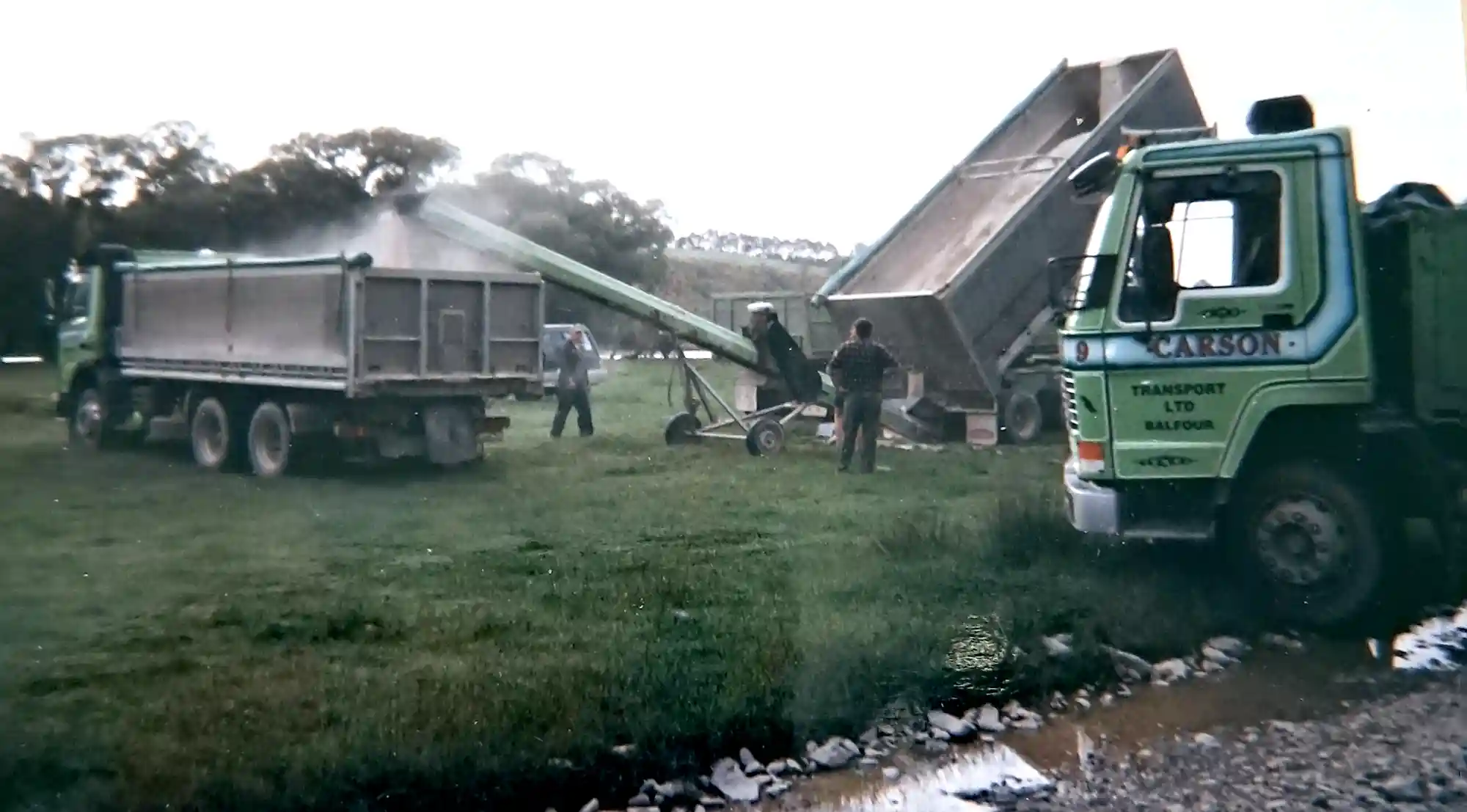
Fert handling Carson Volvos
A typical scene in Southland with Carson's Volvos moving big quantities of superphosphate to help Southland maintain its place as one of the most productive farming grazing regions in the world.
Nissan spreader 4x4 Carson
Carson FC Landrover 1964
Carson fert shed
Carson fert shed Balfour
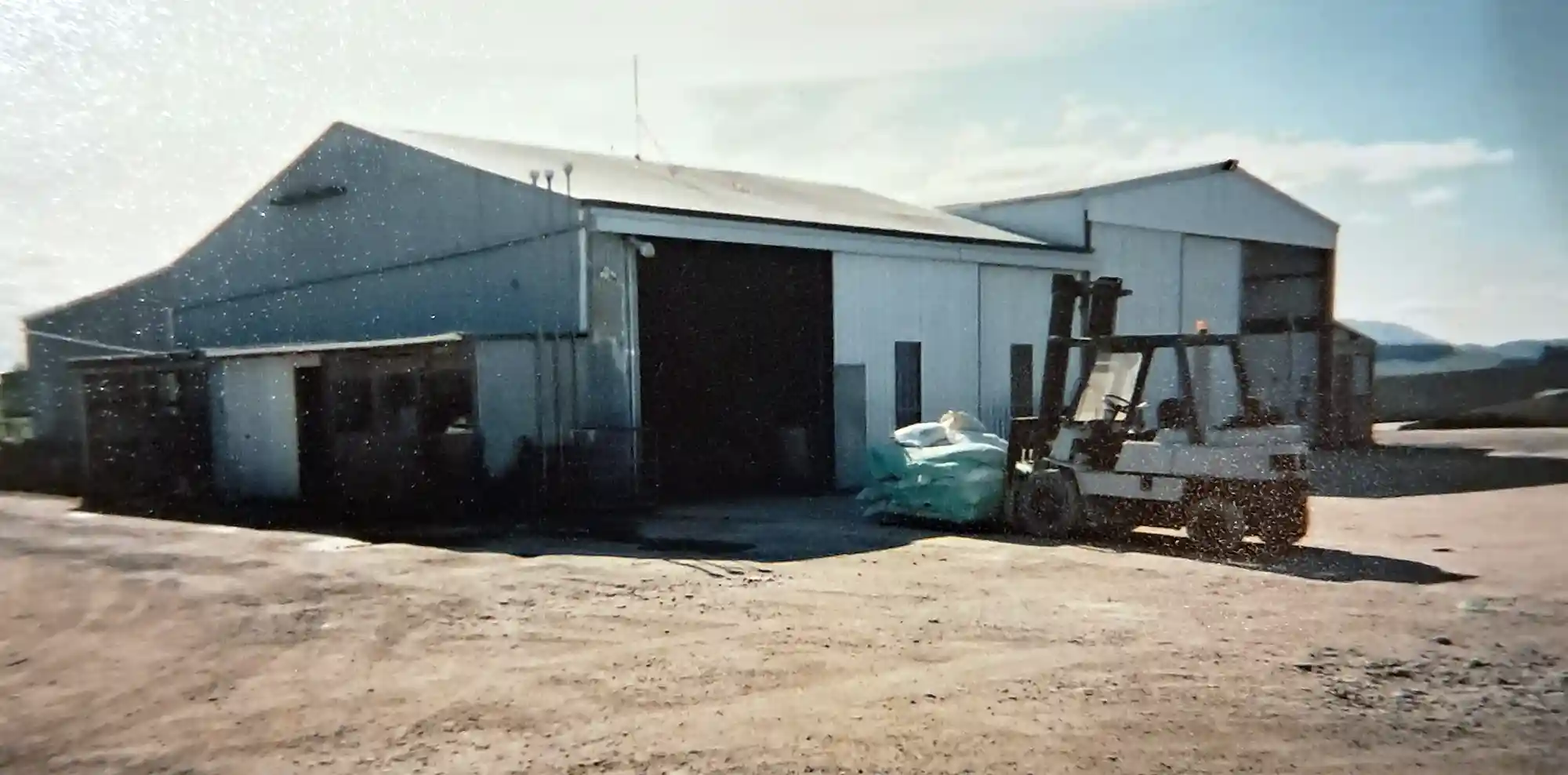
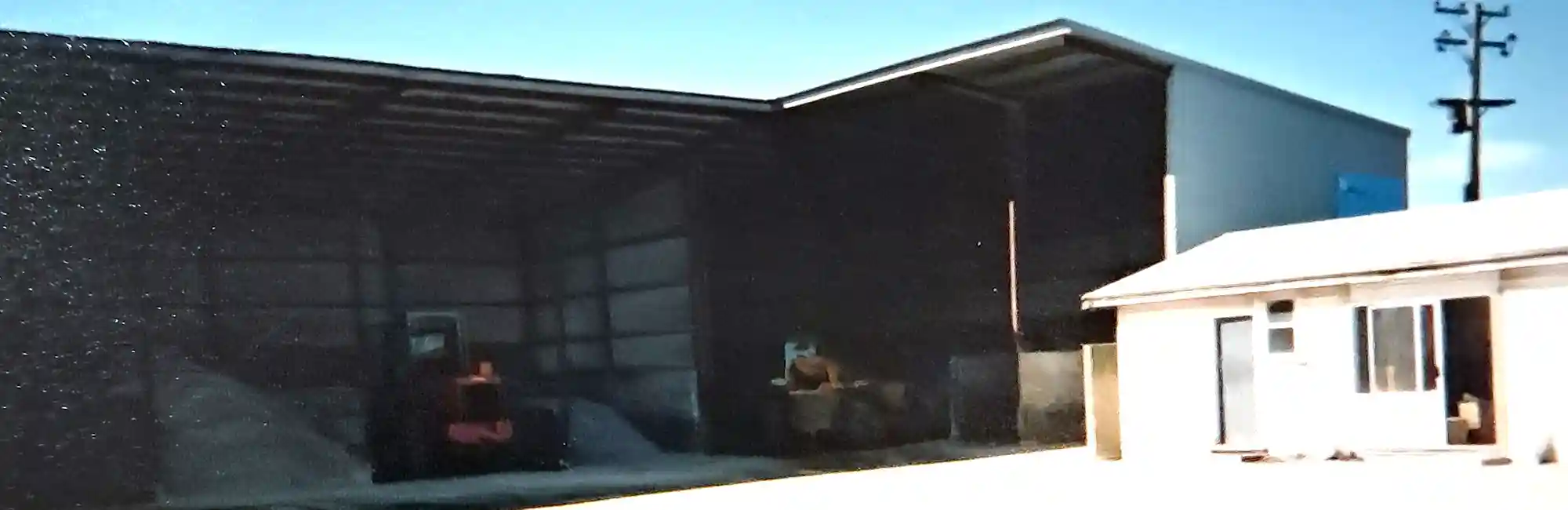
The hub of every rural operation was the fertilizer shed which had to be kept stocked with lime from Browns, and superphosphate from Arwarua near Invercargill in this case. This and other sheds made possible the phenomenal productivity of New Zealands rural sector.
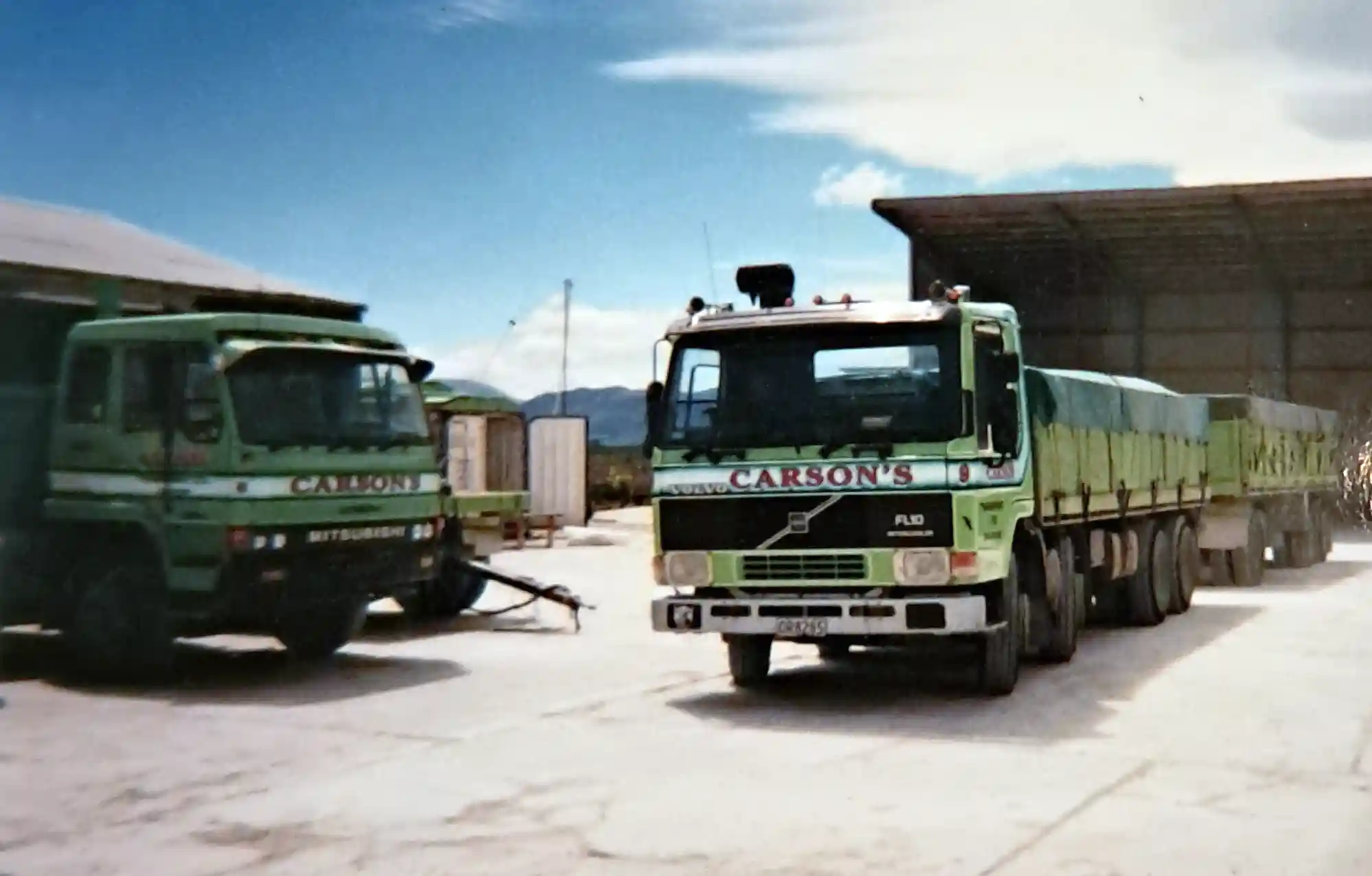
Carson FL10 Volvo Mitsubishi
The fert shed in action - one of Carsons's eight-wheeler FL10 Volvo tippers, along with its three axle trailer getting ready to resupply the fert shed.
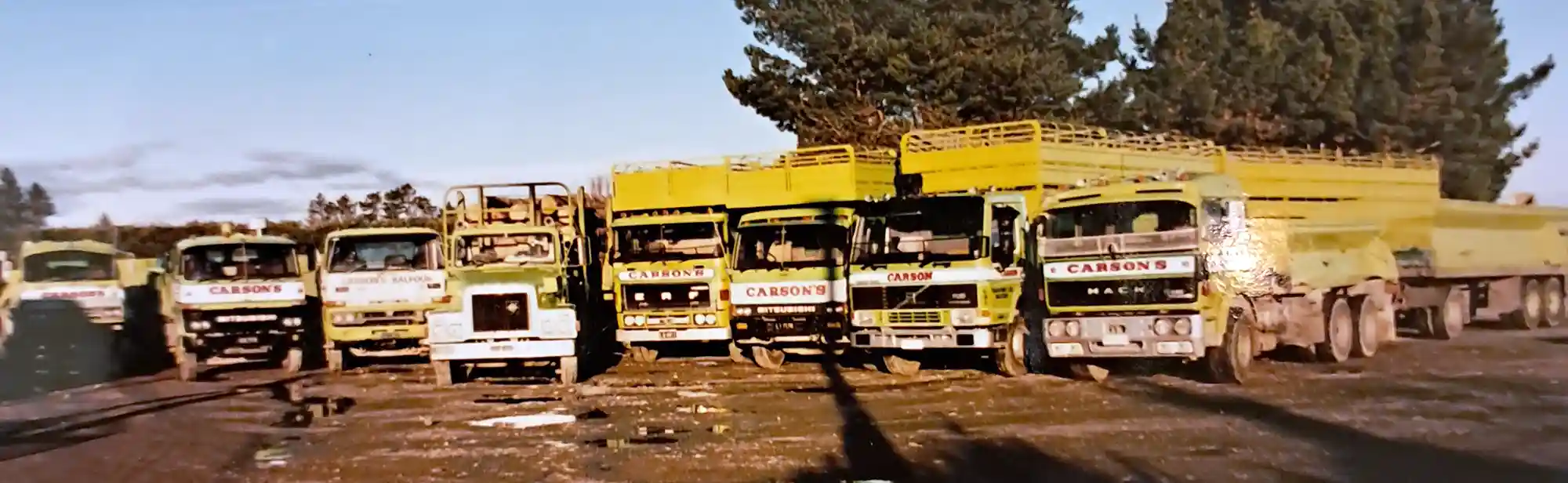
Carson fleet
Fleets were often diverse for much of New Zealands road transport history as seen here, as currency fluctuations, technology and performance all had a part in the purchasing decision.
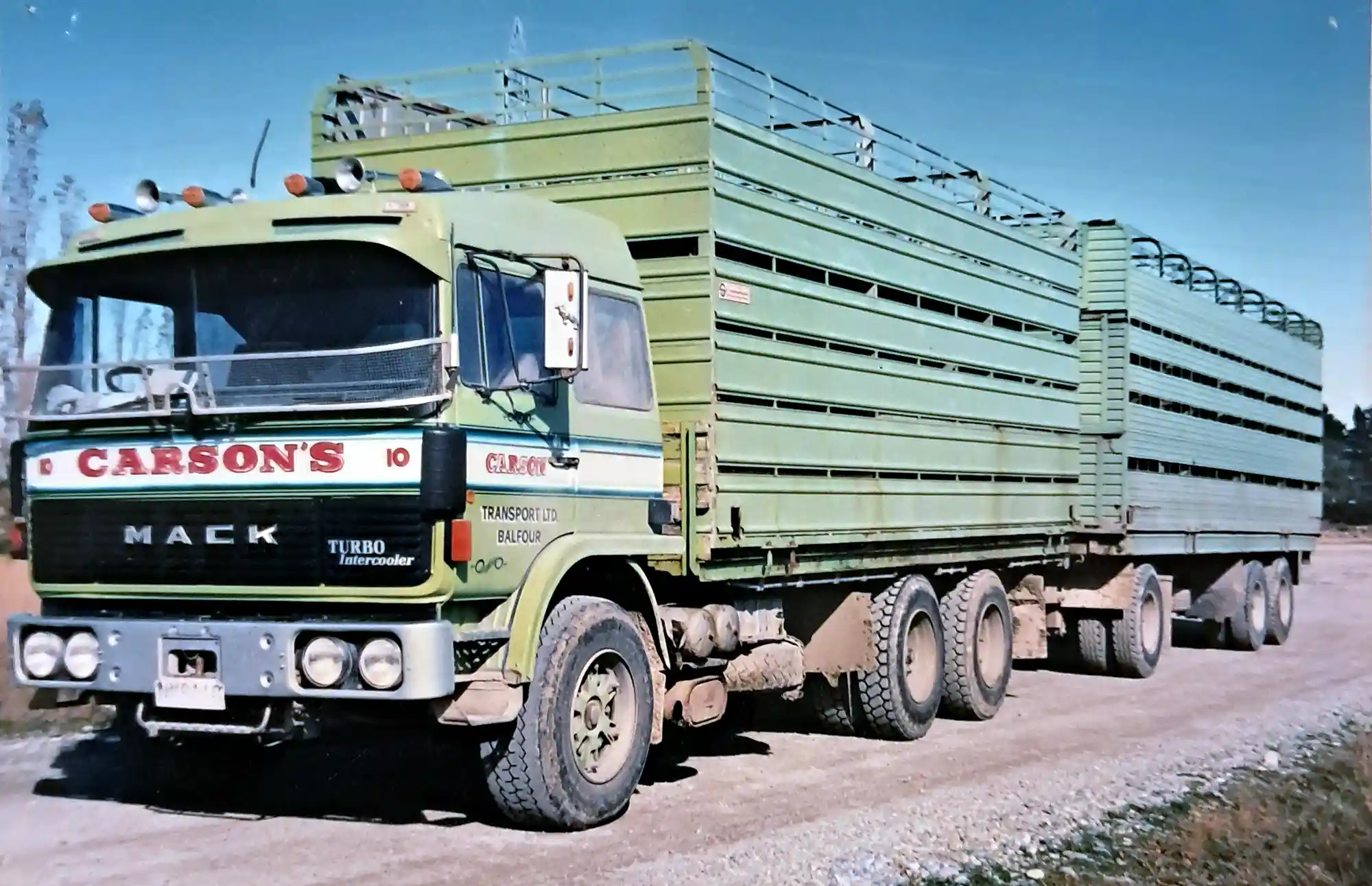
Mack Midliner stockcrates 3 in 1
A fine example of what was required from a truck in the 1980s.
Seen here under livestock crates, this combination could also be converted to a tipper with bins in about 20 minutes.
The days of specialisation were on the horizon but rural trucks were engineered to be adaptable to the job in hand.
This Mack Midliner could gross out at 39-tonne in the eighties, but a modern combination could have nine-axles and gross at 50-tonne.
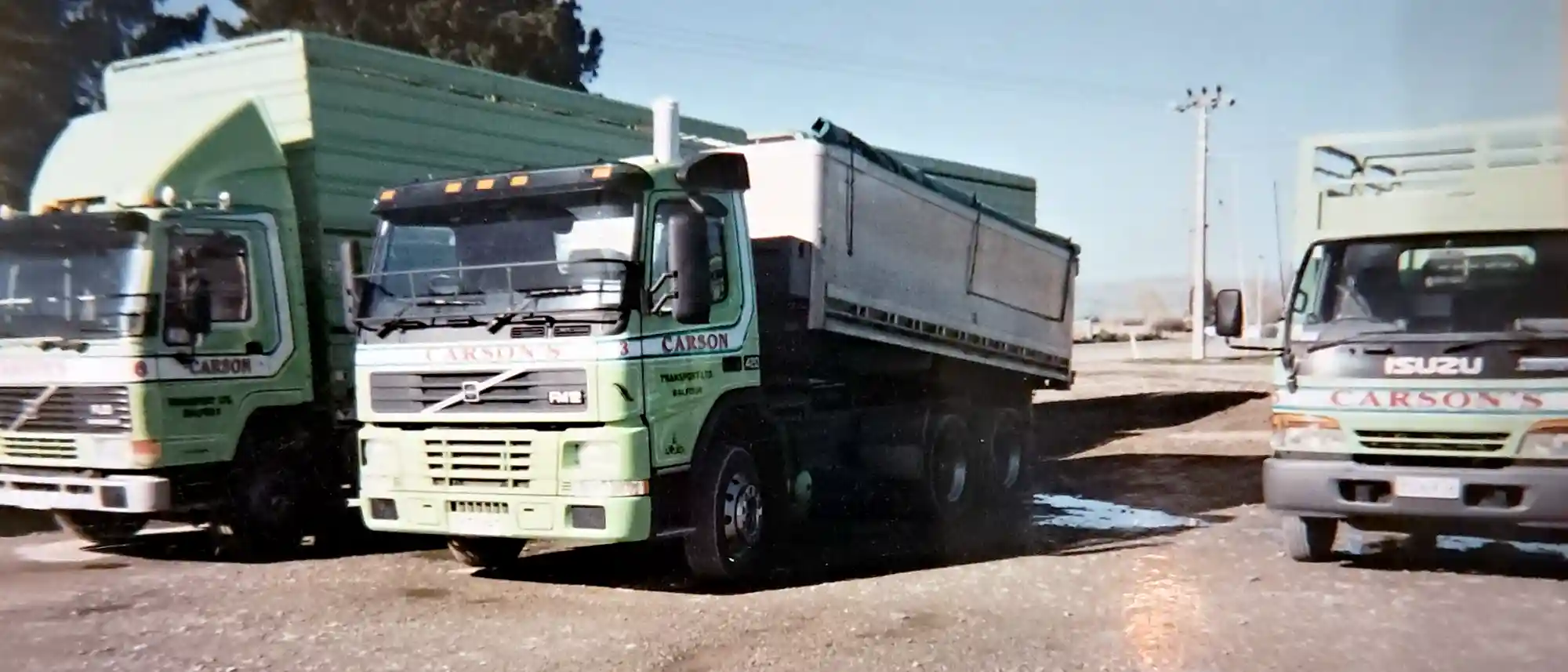
Volvo tipper Carson southland
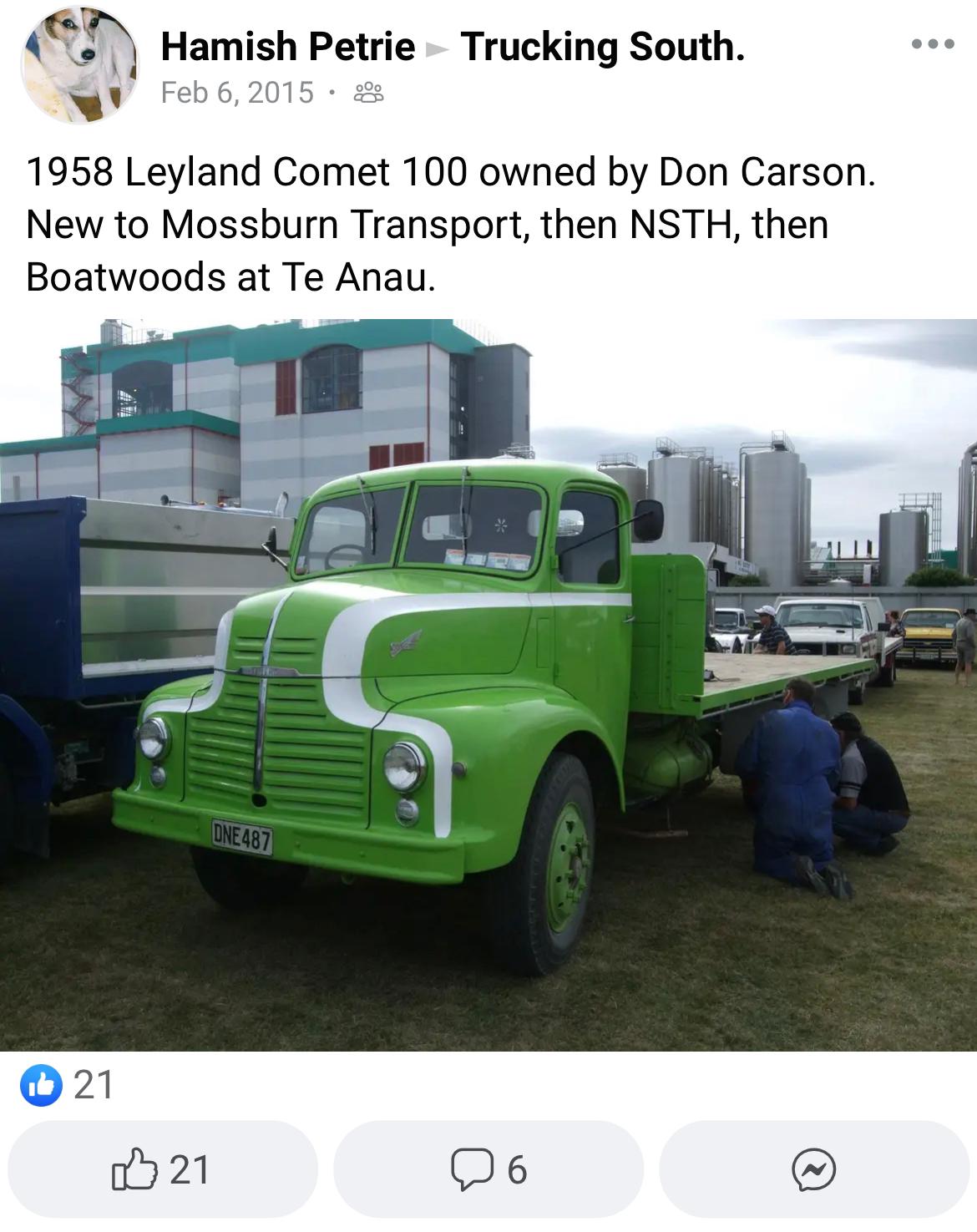
1958 Leyland Comet 100 HP. Ex Mossburn Transport Restored by me
1958 Leyland Comet 100 HP. Ex Mossburn Transport Restored by me
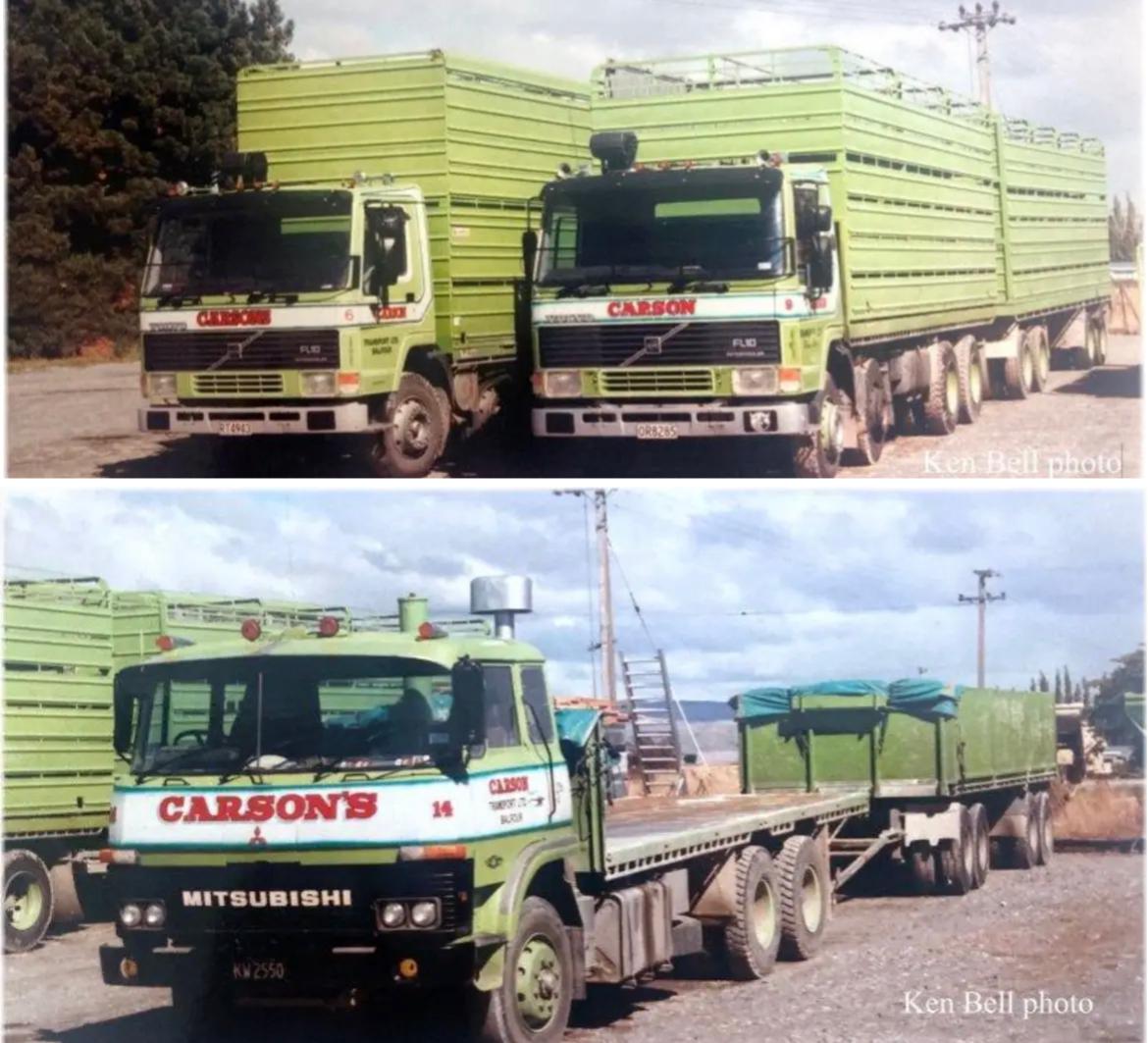
2 of our 5 Volvo's FL10 & FL12. 1982 Mitsubishi 315 wanted a look in too
2 of our 5 Volvo's FL10 & FL12. 1982 Mitsubishi 315 wanted a look in too